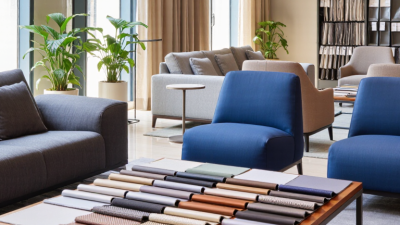
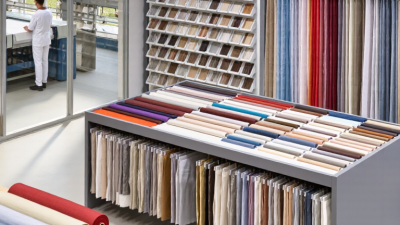
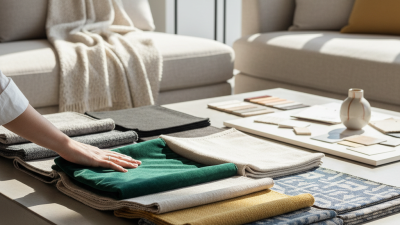
Selecting contract upholstery fabric is a performance decision, not merely a color choice. In hotels, healthcare rooms, restaurants, and transport interiors, every seat faces repeated friction, spills, sunlight, and cleaning chemicals. A beautiful sample can fail quickly under daily commercial use. That failure costs more than replacement fabric. It disrupts rooms, schedules, and customer confidence.
Industry evidence supports careful material selection. Grand View Research’s upholstery fabrics market analysis points to continuing growth in commercial and residential applications, driven by renovation and hospitality investment. Textile Exchange’s Materials Market Report also shows the industry’s growing focus on recycled fibers, traceability, and lower-impact materials. These trends matter, but sustainability claims still require verification. A recycled label alone does not prove durability, cleanability, or responsible sourcing.
This guide examines seven strong options for global buyers seeking contract upholstery fabric. The comparison considers abrasion resistance, flammability testing, colorfastness, stain performance, hand feel, maintenance, and supply consistency. Relevant benchmarks may include ASTM, EN, or local project specifications. Requirements vary by region. Always confirm the final test method with the architect, specifier, and compliance team.
The details matter.
A fabric with a dense weave may resist snagging, while a coated textile may simplify cleaning but feel less natural. Wool blends can offer comfort and resilience, yet they may require careful moisture control. Polyester often supports stable pricing and broad color availability. No material wins every category. This is where procurement judgment becomes important—and sometimes imperfect. The best selection balances measured performance, realistic maintenance, verified documentation, and the space’s actual daily pressures.
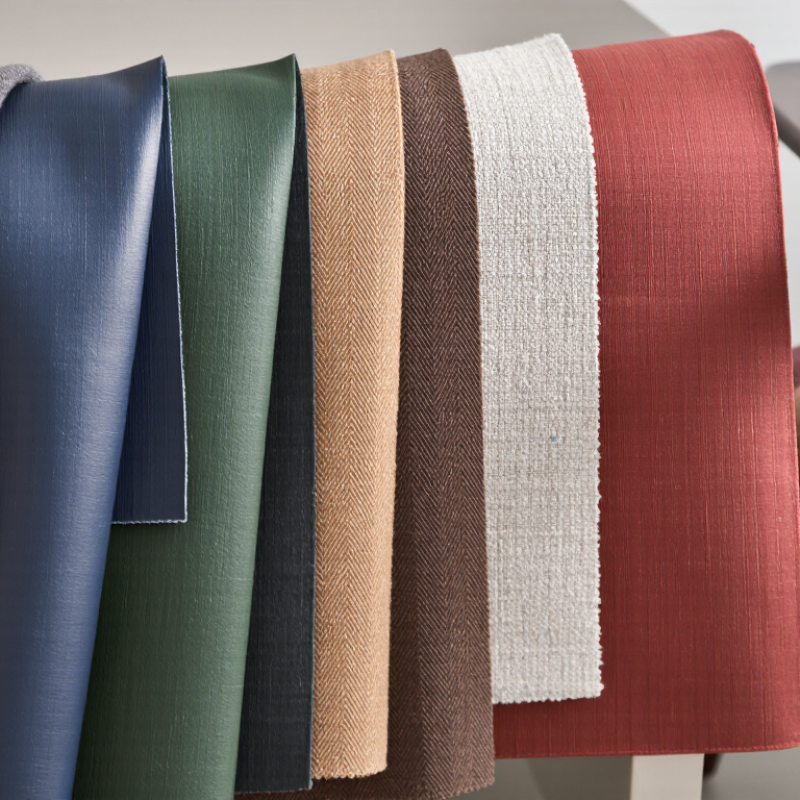
Contract upholstery fabric is made for intensive use in hotels, offices, healthcare spaces, restaurants, and transport interiors. It differs from residential fabric through stronger abrasion resistance, stable construction, and easier maintenance. Buyers should review test results, not rely on attractive samples alone. A soft hand feel can hide weak performance.
Seven practical options include polyester, wool blends, nylon blends, acrylic, olefin, recycled polyester, and coated vinyl. Polyester offers color stability and broad price flexibility. Wool blends provide warmth and natural texture, but may require stricter care. Nylon blends resist wear on busy seating areas. Acrylic performs well where sunlight is strong. Olefin handles moisture effectively. Recycled polyester supports lower-impact sourcing when verified documentation exists. Coated vinyl allows fast wiping, although heat and poor ventilation can affect comfort.
Global buyers also need consistent rolls, clear color references, and reliable lead times. Request samples from different production batches. Small shade changes can become obvious across a long sofa. Check abrasion, seam slippage, pilling, cleanability, and flame-performance data for the destination market.
Requirements vary by country and building type, so one certificate may not satisfy every project. Consider humidity, ultraviolet exposure, cleaning chemicals, and local labor practices before ordering. Dark fabric hides stains, but it may show dust more clearly. No option is perfect. A careful specification balances durability, comfort, appearance, maintenance, and verified compliance.
7 Best Contract Upholstery Fabrics for Global Buyers
Commercial upholstery fabrics must survive more than daily sitting. They face rolling luggage, coffee spills, sunlight, cleaning chemicals, and repeated friction. The 2024 Textile Exchange Materials Market Report states that polyester represented 57% of global fiber production in 2022. That scale explains its popularity in contract interiors, but volume is not proof of performance.
Strong options include solution-dyed polyester, wool-polyester blends, nylon, acrylic, polypropylene, vinyl, and recycled polyester. Buyers should request abrasion results using ASTM D4157 or ISO 12947, because test methods are not directly interchangeable. Many commercial specifications target 30,000 or more double rubs, yet a high number cannot predict every real environment. A lobby chair with sharp metal details may fail early. It happens.
Check pilling, seam slippage, tensile strength, and colorfastness to light. ISO 105-B02 testing is useful for sun-exposed spaces, while ISO 105-X12 helps assess wet and dry crocking. For seating near food service, stain release and disinfectant resistance need separate evidence. “Easy clean” is too vague.
Fire performance must match the project’s location and building code. Ask for current test reports, fiber content, coating details, and cleaning limits. A fabric passing one regional standard may not satisfy another. Suppliers should also disclose recycled content claims through recognized chain-of-custody documentation. Better data supports better buying. Some specifications still overvalue abrasion and undervalue repairability, which deserves more attention.
Contract upholstery fabrics must survive cleaning, abrasion, spills, and daily friction. No type wins every brief. Textile Exchange’s Materials Market Report 2024 records 124 million tonnes of global fiber production in 2023. Polyester represented about 57%, explaining its strong availability and price stability.
Polyester woven fabric offers broad colors, easy sourcing, and dependable abrasion resistance. Nylon improves recovery on heavily used seating, but it can feel less soft. Wool blends provide warmth, resilience, and stronger fire-performance potential, though they require higher budgets. Polypropylene resists moisture and stains well, making it useful for cafés and waiting areas. It may look less refined in premium interiors. Vinyl delivers fast cleaning and strong liquid resistance, but surface cracking can occur under heat or poor maintenance. Polyurethane-coated fabric feels softer than vinyl and weighs less, yet hydrolysis remains a risk in humid environments. Solution-dyed acrylic performs well beside windows because its color is built into the fiber, although indoor contract projects may not justify its cost.
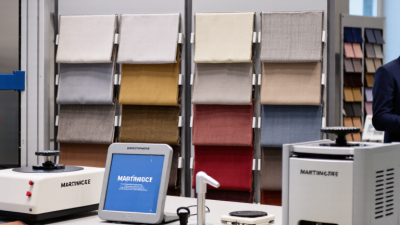
The International WELL Building Institute’s research guidance emphasizes material transparency and healthier indoor environments, so buyers should request chemical disclosures and testing records. Specify Martindale abrasion results, seam slippage, colorfastness, and cleaning codes together. A high abrasion figure alone proves little. I once treated it as the deciding number; that was a specification mistake. The fabric passed testing but felt uncomfortable after long meetings. Ask for a physical sample, then test it against the actual frame, foam, cleaner, and maintenance routine.
Venue, climate, and usage level should guide every contract upholstery decision. No fabric wins everywhere.
For hotel lobbies and busy airports, choose tightly woven polyester, solution-dyed acrylic, or wool blends with strong abrasion results. Request test evidence, not vague claims. ISO 12947 Martindale testing helps compare wear resistance, while ASTM Wyzenbeek testing is common in North America. The rating alone is not enough. Seams, foam compression, cleaning chemicals, and frame design also affect service life.
Climate changes the practical answer. Humid coastal venues need fabrics that dry quickly and resist mildew during maintenance cycles. Dry, sunny interiors benefit from tested lightfastness and stable backing materials. Textile Exchange’s 2024 Materials Market Report recorded 124 million tonnes of global fiber production in 2023; polyester represented 57 percent. That scale explains its availability, but not automatic suitability. Recycled content can support procurement goals, yet it should never replace performance testing.
Usage level matters most. A quiet executive lounge may accept a softer wool blend, while a public waiting area needs stain resistance and easy cleaning. Ask for actual cleaning instructions. Some fabrics survive abrasion but look tired after repeated wet cleaning. I have seen specifications focus too heavily on impressive test numbers. That is a mistake worth revisiting. Use a sample in the real light, touch it after cleaning, and inspect the reverse side. The uncomfortable truth: the cheapest fabric can become the most expensive choice when replacement labor is included.
7 Best Contract Upholstery Fabrics for Global Buyers
Contract projects demand more than attractive color cards. Buyers should compare wool blends, polyester, recycled polyester, acrylic, vinyl, silicone-coated textiles, and performance polyolefin. Each fabric needs evidence for abrasion, seam strength, flammability, colorfastness, and cleaning resistance. Laboratory results matter more than showroom claims.
The Textile Exchange Materials Market Report 2024 estimated global fiber production at 124 million tonnes in 2023. That figure makes traceable sourcing increasingly important. Request fiber composition, recycled content records, dyeing details, and chain-of-custody documents. The Global Recycled Standard can support recycled-content verification, while OEKO-TEX Standard 100 addresses harmful-substance testing. Neither certification proves every performance claim. Check the certificate scope and expiry date.
Testing should match the installation. ISO 12947 Martindale results help compare abrasion resistance, but they do not predict every chair’s lifespan. Ask for the test method, pressure, endpoint, and laboratory identity. EN 1021 evaluates ignition behavior for upholstered furniture, while local requirements may differ. That gap is easy to miss.
Maintenance plans should be written before purchase. Specify weekly vacuuming, immediate blotting, approved detergents, and drying time. Vinyl may tolerate frequent wiping, while wool blends need gentler treatment. Recycled polyester can perform well, but its sustainability story depends on verified inputs and end-of-life planning. I have seen projects select the highest abrasion number, then neglect seam design and cleaning training. The number was impressive. The result was not. Test a production sample under real lighting, seating pressure, and cleaning routines before approving bulk quantities.
| Fabric Type | Typical Fiber or Construction | Typical Weight | Recommended Contract Uses | Durability and Testing Targets | Sourcing Considerations | Relevant Certification or Compliance Checks | Maintenance and Lifecycle Guidance |
|---|---|---|---|---|---|---|---|
| Wool–Nylon Blend | Commonly 70–90% wool blended with 10–30% nylon; woven or woven-textured surface. | Approximately 350–650 g/m². | Executive seating, hospitality lounges, libraries, premium offices, and conference areas. | Specify at least 50,000 Wyzenbeek double rubs or an equivalent commercial abrasion target. Also check seam slippage, pilling, colorfastness to light, and dimensional stability. | Confirm wool origin, blend ratio, usable width, dye-lot consistency, lead time, minimum order quantity, and availability of replacement yardage. Request pre-shipment shade approval. | Depending on the destination, review EN 1021-1/2, BS 5852, CAL 117-2013, or NFPA 260 test evidence. Obtain fiber-content and restricted-substance declarations where required. | Vacuum regularly using a low-suction upholstery tool. Blot spills promptly with a neutral detergent solution; avoid chlorine bleach, aggressive rubbing, and excessive moisture. |
| High-Tenacity Polyester | 100% polyester, usually filament or spun yarn, with a tightly woven plain, twill, or textured construction. | Approximately 250–500 g/m². | Open-plan offices, education, healthcare waiting areas, transport interiors, and general commercial seating. | Target 50,000–100,000 Wyzenbeek double rubs or an equivalent method, plus resistance to pilling, snagging, seam slippage, and wet or dry crocking. | Compare yarn type, fabric density, coating or finish, colorfastness, and recycled-content percentage. Verify roll length, width tolerance, packing method, and inspection criteria before mass production. | Check applicable flammability requirements such as EN 1021, BS 5852, CAL 117-2013, or NFPA 260. For sustainability claims, request recognized recycled-content or chain-of-custody documentation. | Routine vacuuming and immediate blotting are normally sufficient. Use a diluted pH-neutral cleaner after a hidden-area test; do not use abrasive brushes or solvent-based products unless approved by the supplier. |
| Flame-Retardant Polyester | Inherently or chemically flame-retardant polyester, often solution-dyed or finished after weaving. | Approximately 280–550 g/m². | Hotels, cinemas, healthcare facilities, public buildings, passenger seating, and projects with strict fire-performance specifications. | Specify commercial abrasion performance, pilling resistance, tensile strength, seam slippage, colorfastness, and fire testing on the complete upholstery assembly where required. | Determine whether flame resistance is inherent or finish-based, and whether it can be affected by washing or chemical cleaning. Request current laboratory reports for the exact fabric construction and color. | Potential references include EN 1021-1/2, BS 5852, CAL 117-2013, NFPA 260, and local public-furniture regulations. Confirm smoke, ignition, and barrier requirements for the target market. | Use approved low-moisture or extraction cleaning methods. Avoid unapproved re-treatment, bleaching, or high-temperature processes that could alter the flame-performance finish. |
| Solution-Dyed Acrylic | Acrylic fibers colored before extrusion, generally woven into a fade-resistant upholstery fabric. | Approximately 250–450 g/m². | Sunrooms, atriums, outdoor-indoor hospitality areas, poolside seating, marine-related interiors, and bright public spaces. | Prioritize lightfastness, resistance to mildew, water repellency, abrasion, and color transfer. Outdoor applications also require evaluation of UV exposure and weathering performance. | Confirm whether the material is intended for indoor, sheltered outdoor, or fully exposed use. Check width, fluorochemical-free finishes, color availability, and resistance to local humidity and pollution. | Review the applicable flammability standard for the furniture assembly. Request UV, water-repellency, mildew, and restricted-substance test results for the intended application. | Brush off loose dirt and clean with mild soap and lukewarm water. Rinse thoroughly and air-dry. Avoid petroleum solvents, high heat, and prolonged damp storage. |
| PVC-Coated Polyester | Polyester textile backing with a flexible polyvinyl chloride coating; may include embossed grain and protective topcoat. | Approximately 600–1,000 g/m². | Healthcare, dining, public transport, cafeterias, laboratories, and areas requiring frequent wipe-down. | Check abrasion, hydrolysis resistance, flex cracking, tear strength, coating adhesion, seam strength, stain resistance, and disinfectant compatibility. | Ask for plasticizer and heavy-metal declarations, coating thickness, cold-crack performance, hydrolysis data, and resistance to the disinfectants used by the end customer. | Evaluate EN 1021, BS 5852, CAL 117-2013, or NFPA 260 as applicable. For healthcare use, request chemical-resistance and biocompatibility documentation where relevant. | Wipe with a soft cloth and diluted neutral cleaner. Follow the approved disinfectant contact time, rinse if specified, and avoid abrasive pads, solvents, strong acids, and concentrated bleach. |
| Polyurethane Synthetic Leather | Polyester or cotton backing with a polyurethane surface layer; available in smooth, grained, or embossed finishes. | Approximately 450–850 g/m². | Restaurants, healthcare seating, offices, hospitality furniture, and applications needing a leather-like appearance with easy cleaning. | Test hydrolysis resistance, flexing, abrasion, tear strength, coating adhesion, stain resistance, and resistance to alcohol-based or quaternary disinfectants. | Confirm polymer type, backing composition, coating thickness, hydrolysis rating, surface treatment, cold-flex performance, and compatibility with the destination climate. | Review applicable upholstery flammability standards and restricted-substance requirements. Request test reports for the exact color and surface finish, since coatings can vary by specification. | Clean spills promptly with a damp cloth and mild soap. Avoid abrasive cleaners, solvents, waxes, high heat, and prolonged exposure to direct sunlight or untreated disinfectants. |
| Recycled Polyester Upholstery | Post-consumer or post-industrial recycled polyester, used alone or blended with virgin polyester for performance and consistency. | Approximately 250–550 g/m². | Corporate offices, education, hospitality, public seating, and projects with documented material-efficiency objectives. | Use the same commercial targets as standard polyester: abrasion, pilling, seam slippage, tensile strength, colorfastness, and dimensional stability. | Verify the percentage and source of recycled content, traceability, fiber consistency, dye-lot control, contamination limits, and availability of documentation for green-building submissions. | Request recognized recycled-content certification or chain-of-custody evidence when environmental claims are made. Also check EN 1021, CAL 117-2013, NFPA 260, or local equivalents. | Vacuum routinely and spot-clean with a pH-neutral solution. Follow the fabric-care code, prevent soil buildup, and avoid chlorine bleach or high-temperature drying unless specifically approved. |