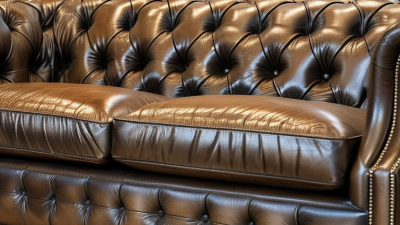
Why Is Furniture Fabric Important for Global Buyers?
Furniture fabric is more than a decorative surface. It affects comfort, durability, maintenance, and a product’s perceived value. For global buyers, this material can influence returns, customer reviews, and long-term brand trust.
A sofa may look excellent under showroom lighting, yet perform poorly in a busy family room. Its fabric may pill after repeated use, fade near a sunny window, or absorb stains too easily. Buyers should examine abrasion resistance, colorfastness, seam slippage, pilling, and cleaning performance. Small details matter. A reliable sourcing process includes physical samples, technical data sheets, and independent laboratory testing where necessary.
Markets also differ. A humid coastal region may require breathable, mold-resistant options, while colder areas may favor denser textures. Consumer preferences, care habits, and local safety requirements can change purchasing decisions. Responsible buyers should request clear fiber content, chemical information, production records, and applicable compliance documents. Supplier audits and batch inspections can reduce uncertainty, but they cannot remove every risk.
No specification is perfect. A fabric that succeeds in a test room may disappoint in daily use. That gap deserves honest attention. Buyers can improve decisions by testing materials in realistic conditions, including sunlight, friction, spills, and repeated cleaning. They should also consider recycled fibers and traceable supply chains without accepting vague environmental claims. In this context, furniture fabric becomes a strategic purchasing decision, not merely a color choice. It connects product performance, customer experience, responsible sourcing, and global market credibility.
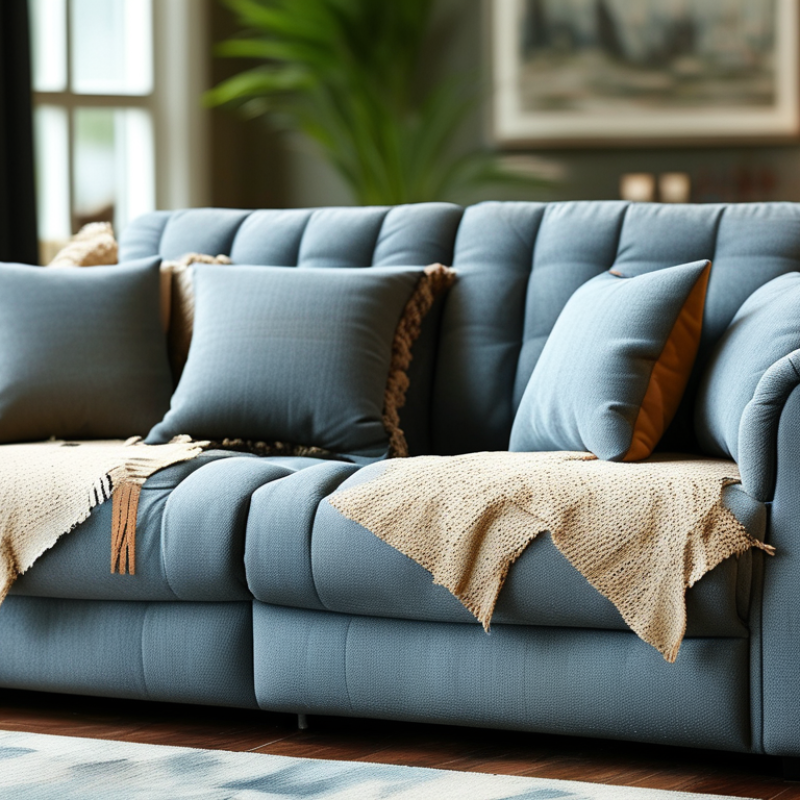
What Is Furniture Fabric and What Makes It Important?
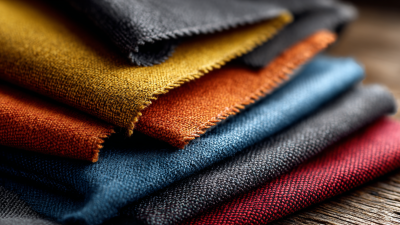
Furniture fabric is the material covering a sofa, chair, bench, or upholstered bed. It may contain natural fibers, synthetic fibers, or a blended yarn. Common constructions include woven, knitted, velvet, chenille, and performance textiles. Each structure changes the furniture’s touch, appearance, strength, and maintenance needs.
For global buyers, fabric is not merely a decorative layer. It affects product lifespan, comfort, shipping presentation, and customer satisfaction. A tightly woven fabric can resist snagging in busy spaces. A dense surface may also reduce visible wear. However, “high performance” does not mean perfect. Some durable fabrics feel less soft, while delicate textures can create a stronger visual appeal.
Experienced buyers should examine samples under natural and artificial light. Color can shift between a showroom and a customer’s home. Rub resistance, seam stability, pilling, cleaning instructions, and lightfastness deserve practical attention. Ask for test reports, fiber content, production consistency, and care guidance. Sample the fabric on a real frame, not only on a small card. Small details matter.
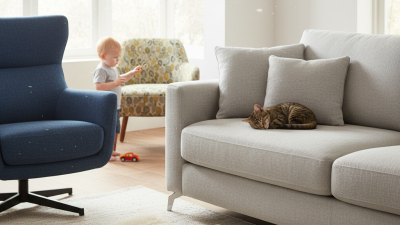
Moisture is another concern. In humid regions, breathable and quick-drying materials may be more suitable. In sunny rooms, fading resistance becomes important. Children and pets create different demands. A fabric that works well in a hotel lobby may disappoint in a family living room. Buyers sometimes focus too heavily on price and appearance. That choice can become expensive later. The best selection balances comfort, function, reliable documentation, and the expectations of the target market.
How Does Furniture Fabric Affect Comfort, Durability, and Appearance?
Furniture fabric affects comfort before a buyer notices its color. A breathable weave can keep a sofa cooler in warm rooms. A soft surface feels welcoming, but excessive softness may flatten under daily use. Seat foam, fabric tension, and fiber direction also change the experience. I have found that fabric can feel pleasant in a sample yet feel different after hours of sitting.
Durability depends on more than a high abrasion score. Tight weaving, stable backing, strong seams, and pilling resistance matter during inspection. Families with pets may need a dense, snag-resistant surface. Dining chairs often require easy-clean finishes because oil and drinks create pressure points. However, stain resistance is not permanent. Harsh cleaning can damage color or coating. Buyers should request test results, care instructions, and a finished upholstery sample.
Appearance changes with lighting, use, and time. A velvet-like surface may show directional shading when brushed, while textured linen can hide minor marks. Dark colors often reveal dust, and pale colors can expose denim transfer. Natural fibers may develop character, but they can also wrinkle or fade near windows. A fabric may look excellent in a showroom and disappoint in a bright apartment. Checking color under warm and daylight lamps helps, although it cannot reproduce every home.
Which Furniture Fabric Properties Matter to Global Buyers?
Global buyers rarely judge furniture fabric by appearance alone. They examine durability, comfort, maintenance, safety, and environmental evidence. Abrasion resistance matters in busy homes, hotels, and commercial spaces. A sofa may look elegant, yet weak fibers can show wear around the arms quickly. Colorfastness is equally important, especially in rooms with strong sunlight. Softness also matters, but comfort is difficult to measure consistently.
Moisture management and cleanability deserve closer attention. Spilled coffee should not become a permanent design feature. Textile Exchange’s Materials Market Report 2024 states that global fiber production reached 124 million tonnes in 2023. Polyester represented about 57% of that volume. This scale explains why recycled content, fiber origin, and traceability attract serious attention. Grand View Research’s upholstery fabrics market analysis also identifies performance and residential demand as major growth factors. Buyers should request laboratory results, not broad marketing claims. Test methods can differ. That detail is easy to overlook.
Tips:
Compare abrasion results, pilling performance, colorfastness, cleaning instructions, and fiber composition. Ask for test dates and applicable standards. Check whether the fabric suits humid or dry climates. A fabric can pass a laboratory test and still disappoint in daily use. Procurement teams should review samples under real lighting and touch conditions. Sustainability claims also need verification. “Eco-friendly” sounds useful, but it remains incomplete without measurable evidence.
How Can Global Buyers Evaluate Fabric Quality and Safety?
Global buyers should evaluate furniture fabric through measurable evidence, not appearance alone. Textile Exchange’s Materials Market Report 2024 estimates that global fiber production reached 124 million tonnes in 2023. Polyester represented about 57% of total output. This scale increases the need for clear material records and consistent testing. Ask suppliers for fiber composition, fabric weight, yarn details, dyeing method, and production-lot identification.
Start with performance tests. ISO 12947 measures abrasion resistance, while ISO 105 evaluates colorfastness after washing and rubbing. For upholstered seating, request pilling, seam-slippage, tensile-strength, and lightfastness results. A fabric may feel soft but fail after repeated friction from denim, pet claws, or metal zippers. Inspect the reverse side too. Weak backing can cause stretching, bubbling, or seam failure. Test samples from different lots, not only one attractive swatch.
Safety requires separate verification. Request chemical screening aligned with REACH restrictions and relevant national requirements. Check for restricted azo dyes, formaldehyde, heavy metals, and intentionally added PFAS. The European Chemicals Agency’s 2024 enforcement project found roughly one in five inspected consumer products had compliance issues, although the figure was not limited to furniture textiles. That warning matters. A certificate is not proof of every shipment. Use an independent, ISO/IEC 17025-accredited laboratory and match the report’s sample number with the delivered rolls. Ask about flame performance for the destination market. Requirements differ widely. We sometimes overtrust paperwork, and that deserves reflection. Fresh testing costs money, but one failed container costs more.
How Do Fabric Choices Influence Cost, Sustainability, and Market Demand?
Furniture fabric is a commercial decision, not merely a decorative surface. In procurement reviews, fabric can change the final product cost before production begins. A tightly woven polyester blend may resist abrasion and reduce replacement claims. Natural fibers can offer a warmer hand, but they may need stricter care controls. Performance testing should cover seam slippage, colorfastness, pilling, and cleaning resistance. These details affect warranty exposure and retailer confidence. Small details matter. A fabric with a low purchase price may create higher labor costs during cutting or upholstery. Suppliers should compare usable width, roll consistency, minimum order quantities, and shipping weight. A clear cost sheet prevents attractive samples from hiding expensive production problems.
Sustainability also influences market demand, though buyers rarely accept vague environmental language. They increasingly ask about recycled content, fiber origin, chemical management, and end-of-life options. Documentation must match the actual material, not the marketing story. Some fabrics use recycled inputs yet remain difficult to separate from foam and backing. That limitation deserves honest disclosure. Demand differs by region, price tier, and customer lifestyle. A stain-resistant fabric may suit busy apartments, while breathable natural blends may appeal to premium hospitality projects. Color trends matter, but durability often decides repeat orders. I have seen teams overvalue a beautiful swatch and undervalue cleaning tests. That was an avoidable mistake. Buyers can reduce risk by requesting lab reports, production samples, and abrasion results before committing. They should also test lighting, touch, and stitching under real showroom conditions. Market demand is shaped by what customers can feel, maintain, and trust.