
How to Choose the Best Flame Retardant Fabric?
Choosing the best flame retardant fabric begins with understanding the real hazard, not simply selecting the highest protection label. A fabric used for welding curtains faces different risks from upholstery, protective clothing, or electrical equipment covers. Heat intensity, flame exposure time, fabric weight, fiber content, and movement all influence performance. The right textile must match the environment.
Dr. Richard Horrocks, a respected textile fire-safety researcher, has emphasized a crucial point: “Flame retardancy is not the same as fireproofing.” That distinction matters. Flame retardant fabric can resist ignition, slow flame spread, and reduce after-flame time. It cannot make every material completely immune to fire. Buyers should examine independent test reports, applicable standards, and the exact product construction. A fabric may perform well in a laboratory, yet lose protection after repeated washing, abrasion, or chemical exposure.
Look closely.
Reliable selection also requires practical experience. Hold the fabric. Check its thickness, flexibility, stitching, coating, and surface condition. Ask whether the flame-retardant treatment is inherent or chemically applied. Inherent fibers may retain protection more consistently, while treated fabrics can vary with laundering and maintenance. Neither option is automatically best.
This guide compares those differences in plain terms. It also considers comfort, durability, certification, environmental conditions, and total service life. Some recommendations may seem obvious, but real purchasing decisions are rarely perfect. Test methods do not reproduce every workplace condition. That limitation deserves honest attention before safety claims influence a final choice.
What Is Flame Retardant Fabric and How Does It Work?
How to Choose the Best Flame Retardant Fabric?
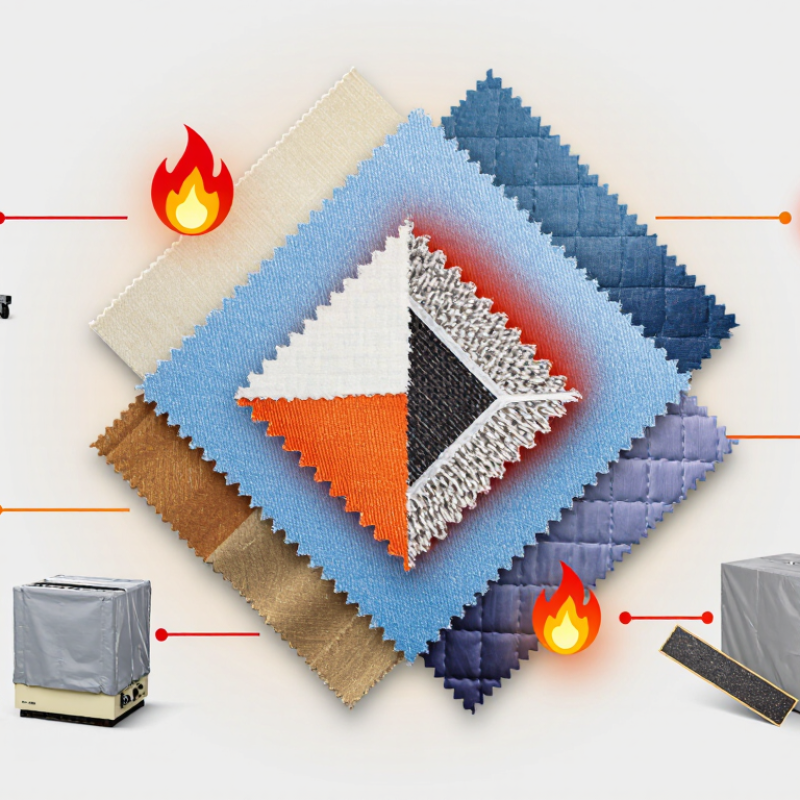
Flame retardant fabric is designed to slow ignition and limit flame spread. It does not make clothing fireproof. The fabric may form a protective char, release nonflammable gases, or reduce available oxygen around the flame. These actions can delay burning and give workers more time to escape. It can save lives. Inherent fabrics contain flame-resistant properties within their fibers. Treated fabrics receive a chemical finish after production. Washing, abrasion, and incorrect detergents may reduce that finish over time. A fabric can pass a laboratory test yet perform differently after heavy use.
Tips: Identify the actual hazard before choosing fabric. Check whether the workplace involves brief flames, radiant heat, molten metal, or electrical arcs. Then review certified test results, fabric weight, seam quality, and care instructions. Ask for durability data after repeated laundering. Touch the material, if possible. Breathability matters during long shifts.
The best choice balances protection, comfort, and maintenance. Heavy fabric may resist heat better, but it can increase fatigue in warm conditions. Lightweight fabric feels cooler, yet it may offer less thermal protection. This trade-off deserves careful review. A reliable supplier should explain fiber content, test conditions, and expected service life. Do not judge performance by appearance alone. Real protection depends on the complete garment, including thread, closures, seams, and fit. Recheck the fabric after washing and repair. Small changes can matter.
How to Choose the Best Flame Retardant Fabric? - What Is Flame Retardant Fabric and How Does It Work?
| Fabric Type | How Flame Resistance Works | Typical Strengths | Important Limitations | Wash Durability | Common Applications | Standards Often Specified |
|---|---|---|---|---|---|---|
| Inherently Flame-Resistant Aramid | The flame-resistant properties are built into the fiber’s chemical structure. The fiber chars rather than readily melting or supporting combustion. | High heat resistance, strong mechanical performance, good resistance to short-duration flame exposure, and long-lasting protective properties. | Can be less comfortable than lightweight cellulosic fabrics; some grades may have limited resistance to strong acids, ultraviolet exposure, or abrasion. | Generally durable through the useful life of the garment when properly laundered. | Firefighting apparel, electrical workwear, industrial heat protection, and high-temperature operations. | EN ISO 11612, ISO 11611, ASTM F1506, NFPA 70E-related garment requirements, where applicable. |
| Modacrylic Blend | The modified acrylic fiber is difficult to ignite and tends to self-extinguish. Blending with other fibers can improve comfort, durability, or appearance. | Soft hand feel, good inherent flame resistance, low tendency to melt or drip, and suitability for everyday protective clothing. | Heat resistance is generally lower than that of high-performance aramid fibers; performance depends strongly on blend composition and fabric construction. | Usually durable because the flame-resistant component is inherent, but the finished fabric must be tested after care cycles. | Utility workwear, public-service uniforms, transportation interiors, and industrial garments. | EN ISO 11612, EN ISO 14116, ASTM F1506, and relevant end-use specifications. |
| Inherently Flame-Resistant Polyester | Flame-resistant additives or modified polymer chemistry are incorporated during fiber manufacture, reducing ignition and flame spread. | Lightweight, quick-drying, wrinkle-resistant, and capable of providing consistent performance when correctly engineered. | Some polyester structures can shrink, melt, or form hot material under severe heat; suitability must be verified for the specific hazard. | Typically durable through repeated laundering, subject to the fiber formulation and garment-care instructions. | Lightweight workwear, arc-rated garments, transportation textiles, and protective linings. | EN ISO 11612, IEC 61482-2, ASTM F1506, and other application-specific test requirements. |
| FR-Treated Cotton | A chemical finish changes the fabric’s combustion behavior, promoting char formation and reducing flame spread after ignition. | Comfortable, breathable, familiar to wear, and often suitable for hot working environments when the correct weight and construction are selected. | The treatment may lose effectiveness if the fabric is exposed to incompatible chemicals, excessive wear, or incorrect laundering. | Durable finishes can withstand many industrial wash cycles, but the supplier’s tested wash-life must be followed. | Oil and gas workwear, welding garments, electrical utilities, and general industrial protection. | EN ISO 11612, EN ISO 11611, ASTM F1506, NFPA 2112, and applicable laundering requirements. |
| FR Cotton-Blend Fabric | Combines a flame-resistant treatment or fiber with synthetic or cellulosic fibers to balance protection, durability, moisture management, and cost. | Balanced comfort and durability, broad design flexibility, and the ability to tune weight, stretch, and moisture performance. | The blend ratio and fabric construction can significantly affect flame spread, melting behavior, shrinkage, and arc performance. | Varies by treatment and fiber content; performance should be confirmed after the required number of wash cycles. | Industrial uniforms, maintenance workwear, electrical and petrochemical operations. | EN ISO 11612, IEC 61482-2, ASTM F1506, NFPA 70E, and hazard-specific specifications. |
| Flame-Retardant Treated Upholstery Fabric | A surface or back-coating system reduces ignition and flame spread in furniture, panels, curtains, or interior furnishings. | Wide range of colors and constructions, design flexibility, and suitability for fixed interior applications. | Not normally intended for direct personal protective clothing; coating durability, cleaning method, and smoke characteristics must be considered. | Depends on the coating and cleaning process; wet cleaning or abrasion may affect performance. | Public seating, curtains, wall coverings, transport interiors, and commercial furnishings. | EN 1021, NFPA 701, BS 5852, ASTM E84, or other building and furnishing requirements. |
| Wool or Wool-Blend Fabric | Wool has a relatively high ignition temperature, naturally forms char, and generally burns slowly because of its moisture and protein structure. | Good natural resistance to ignition, low melt behavior, thermal insulation, and comfort in suitable garment constructions. | Can be heavier, more expensive, and less suitable for high-temperature industrial hazards than specialized technical fibers. | Natural resistance is generally retained, although blends, finishes, and garment construction affect final performance. | Protective blankets, uniforms, furnishings, and selected thermal-protection products. | Applicable textile flammability, upholstery, or end-use standards; certification depends on the final product. |
Related Posts
-
How to Choose the Best FR Fabric for Enhanced Fire Safety in Industrial Settings
-
Top 10 Sofa Fabric Types to Choose for Your Living Room Makeover
-
China Best Contract Fabric Suppliers for Global Buyers?
-
10 Best Wall Fabric Options for Your Home Decor Needs
-

2025 Top Fabric Wall Covering Trends You Need to Know
-

10 Essential Tips for Choosing High Quality FR Fabric